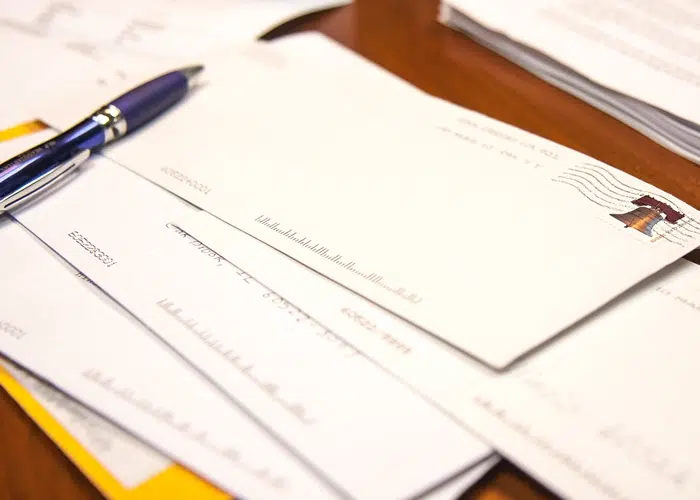
In a world crowded with paid search ads, social media promotions, in-app advertising, retargeting banners, email campaigns, and sponsored content, marketers are competing for customer attention that is getting increasingly fatigued by (and ignoring!) the onslaught of digital advertising constantly coming their way every day. That is why direct mail marketing is a powerful medium for businesses that want to reach customers in a more memorable, personal way that is now more measurable than it ever has been.
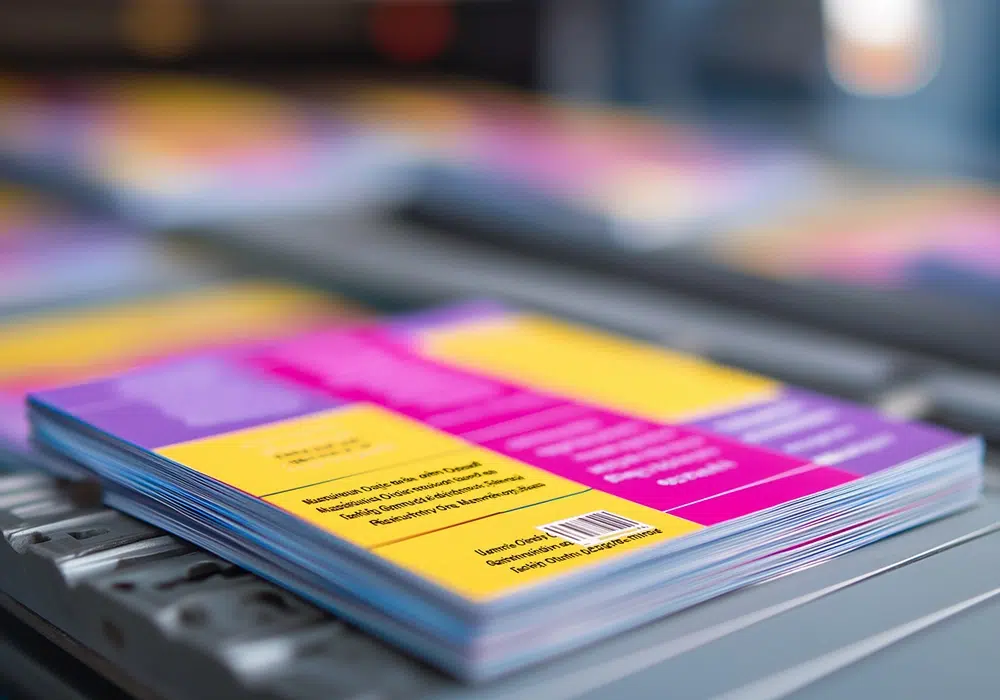
A well-designed postcard does something a digital ad cannot: it gives the customer something tangible to hold and retain for consideration. Whether it is a smaller postcard with a focused offer or a larger postcard with more room for imagery and details, direct mail creates a physical brand interaction that can stand out in a customer’s daily routine, in a format where there isn’t nearly as much competition for their attention.
Why Direct Mail Marketing Still Works
Direct mail is an effective marketing tool because people still check their mailbox. For many households and businesses, going through the mail they receive is part of their daily routine. A postcard does not depend on a click, a social media algorithm, or a display ad impression, and it doesn’t get lost in the clutter of an email inbox. The recipients are decided on by the marketer and the postcard arrives directly in the recipient’s hands via their mailbox.
A physical presence matters. A postcard can sit on a counter, desk, refrigerator, bulletin board, or stack of important papers for days or weeks. It doesn’t disappear nearly as quickly or as easily as digital ads do with a scroll or navigation away from a page. A direct mail piece also has an additional advantage in that it can be seen more than once by the same recipient and even by others in the household or office.
Direct Mail Cuts Through Digital Ad Fatigue
There are more ways than ever to deliver digital ads to customers. There are now search ads, social ads, pop-ups, video ads, retargeting ads, sponsored emails, and app-based promotions. But all these ads are competing for the same limited attention, and over time, the saturation of advertising has caused many customers to begin to ignore most digital advertising entirely.
The effectiveness of digital advertising is also being impacted by ad blockers, privacy changes, spam filters, inbox sorting, and stricter platform rules that make digital campaigns harder to deliver, harder to see, and harder to measure accurately.
Direct mail postcards, in contrast, avoid those obstacles. They aren’t scrolled past on a website, blocked by a browser extension, sent to a spam or junk folder, or skipped before a video plays. They arrive in a mailbox as a real piece of communication.
Direct Mail Is Measurable When You Add Digital Tracking
Many marketers moved away from direct mail and towards digital advertising because the latter offered more opportunities to measure ROI. But new digital tools translate well to measuring marketing success in print format, allowing it to once again become a reliable tool for building awareness, interest, and sales.
By adding trackable elements to a postcard, businesses can measure response, attribute leads, and compare campaign performance more accurately than they ever could with early direct mail campaigns.
- QR codes: Send recipients to a landing page, appointment form, coupon, product page, or event registration page created specifically for your direct mail campaign.
- Personalized URLs: Create unique web addresses that help identify which recipients responded.
- Claim codes: Track purchases, redemptions, consultations, donations, or sign-ups tied to a specific mail campaign.
Instead of wondering whether a campaign worked, businesses can see which offers generated scans, visits, calls, claims, or sales.
Want to learn more about Direct Mail ROI? USPS has information available, including a Marketing Impact Calculator.
Direct Mail Cost vs. Digital Advertising Cost
Digital advertising costs can vary widely by industry, platform, audience, and competition. In many competitive categories for highly searched keywords, cost-per-click campaigns can become expensive quickly. Current PPC benchmark sources commonly report average Google Ads search CPCs in the range of roughly $3 to $5+ across industries, with high-value sectors such as legal, finance, insurance, technology, and B2B services often costing significantly more per click.
That means a campaign can spend several dollars just to earn a single website visit, with no guarantee that the visitor will convert. In fact, if your campaign isn’t tailored enough to market your product or service, you could be spending valuable dollars to reach an audience that isn’t relevant, or one that already uses your business and uses search to get to your site instead of bookmarking your page.
By comparison, a direct mail postcard campaign is priced by the piece, and that piece price is way less than a CPC of $3 to $5. Depending on how much they’re willing to spend, the advertiser can adjust the parameters of their mailing list to fit their budget, narrowing in on the demographics of the audience they think are most likely to convert to a sale.
For marketers focused on high-intent audiences, direct mail offers an appealing balance: a physical, branded impression delivered to a selected recipient, plus digital tracking through QR codes, personalized URLs, and claim codes.
Why Use Postalocity for Direct Mail Campaigns?
Postalocity makes direct mail campaign setup simple for businesses that want to move quickly without managing printing, addressing, mailing, and USPS preparation on their own. The platform is designed to help mailers create and send postcard campaigns with confidence.
Two Standard Postcard Sizes: 4x6 and 6x9
Postalocity supports two standard postcard sizes for direct mail marketing campaigns: 4×6 and 6×9. The 4×6 postcard is a compact, cost-conscious choice for simple offers, appointment reminders, coupons, event announcements, or quick calls to action. The 6×9 postcard gives mailers more room for stronger visuals, larger headlines, multiple benefits, maps, testimonials, and more detailed promotional messaging.
A Step-by-Step Postcard Setup Guide
Postalocity helps walk mailers through the postcard setup process with a guided workflow option, making it easier to upload artwork, preview what it will look like when it is mailed out, and approve it for mailing.
Artwork Checks for USPS Mailing Requirements
One of the most important parts of any direct mail campaign is making sure the artwork is properly prepared for mailing. Postalocity provides artwork checks to help confirm that the postcard meets USPS mailing requirements. This helps mailers avoid preventable issues related to layout, addressing areas, postage space, and other mailing specifications.
Address Verification to Reduce Returned Mail
Returned mail can waste budget and reduce campaign performance. Postalocity’s address verification helps improve deliverability by checking addresses before the campaign is mailed. Cleaner address data can reduce returned mail costs and help more postcards reach the intended recipients.
Next-Day Mailing or Scheduled Campaign Timing
Timing can make a major difference in campaign results. Postalocity gives mailers the option to send direct mail as soon as the next day or schedule the mailing date in advance. That makes it easier to coordinate a postcard drop with a sale, product launch, open house, fundraising push, seasonal promotion, appointment drive, or other marketing campaign start date.
Live Support When Mailers Have Questions
Direct mail should not feel complicated. Postalocity provides live support for mailers who have questions during the process. That support can be especially valuable for businesses sending their first campaign, updating artwork, reviewing address lists, or coordinating a campaign with a specific launch date.
The Bottom Line: Direct Mail Belongs in the Modern Marketing Mix
Direct mail is not an outdated alternative to digital marketing. It is a practical, attention-grabbing channel that can work alongside digital campaigns to improve reach, response, and measurement. A postcard gives customers something real to hold, while QR codes, personalized URLs, and claim codes give businesses the digital tracking and analytics they need.
For businesses looking for a cost-effective way to reach a highly targeted audience, Postalocity makes direct mail easier to launch, easier to verify, easier to schedule, and easier to send. With standard postcard options, artwork checks, address verification, live support, and next-day mailing or scheduled campaign timing, Postalocity helps mailers turn a physical postcard into a measurable marketing campaign.
Ready to send a direct mail campaign? Use Postalocity to create, verify, schedule, and send postcards that get your message into customers’ hands.